

The 5 Most Popular Concealed Carry Positions.
Introduction
When it comes to concealed carry (CCW), comfort and accessibility are crucial. The position you choose can impact both. While some prefer deep concealment, others value quicker draw times. Therefore, knowing your options helps you carry smarter and safer.
In this guide, we’ll explore the five most popular concealed carry positions. We’ll discuss their pros and cons and help you decide which suits your needs best. We’ll also highlight how REVKEL Kydex Holsters supports each carry style with custom-fit comfort and performance.

1. Appendix Inside the Waistband Carry (AIWB)
Position: Front of the body, around the 1 o’clock position (for right-handed shooters).
Advantages:
- Offers a fast and natural draw.
- Ideal for seated positions, including driving.
- Easy to conceal with the right clothing.
- Minimizes printing with a properly designed holster.
Disadvantages:
- Can feel uncomfortable when sitting for extended periods.
- Requires strict trigger discipline due to muzzle position.
- May not suit larger body types.
AIWB is extremely popular with experienced carriers. With a minimalist shirt and belt, concealment remains excellent. Moreover, comfort and safety depend heavily on a well-molded holster, like those made by REVKEL Kydex Holsters. Their AIWB designs include adjustable retention and ride height for better ergonomics.

2. Strong Side Inside the Waistband Carry (IWB)
Position: Typically around the 3 to 4 o’clock position for right-handers.
Advantages:
- Balances concealment and comfort well.
- Offers a more traditional draw angle.
- Easier to conceal under jackets or untucked shirts.
- Comfortable for daily use.
Disadvantages:
- Slightly slower draw compared to AIWB.
- Can be uncomfortable when seated or driving.
- May cause printing depending on body type.
Strong side IWB is often recommended for beginners. The position is familiar and forgiving. Transitioning from open carry to concealed is also smoother. REVKEL Kydex Holsters offers slim-profile holsters for this position, crafted to reduce printing and increase comfort throughout the day.

3. Outside the Waistband Carry (OWB)
Position: Worn on the hip or behind the strong side hip, usually 3 to 5 o’clock.
Advantages:
- Very comfortable for extended wear.
- Allows for a faster, more intuitive draw.
- Excellent for range training and competition carry.
- Easy to reholster safely.
Disadvantages:
- Harder to conceal without a jacket or long shirt.
- May attract attention in tighter-fitting clothes.
- More likely to “print” if not carefully covered.
OWB is favored by those prioritizing comfort and accessibility. While not ideal for deep concealment, it shines in colder climates or under outerwear. REVKEL Kydex Holsters specializes in pancake-style OWB holsters designed for slim, low-profile carry that stays close to the body.
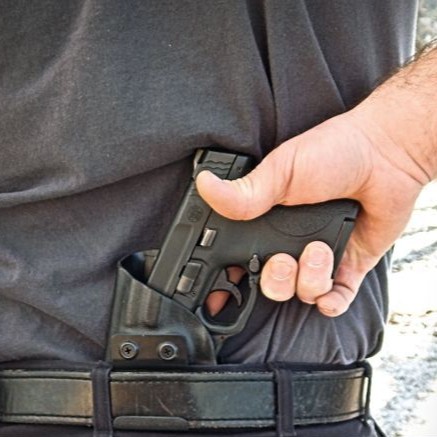
4. Small of Back (SOB) Carry
Position: Center of the lower back, around the 6 o’clock position.
Advantages:
- Conceals well under tighter clothing.
- Keeps the firearm out of sight, even when moving.
- Draw can be intuitive for some carriers.
Disadvantages:
- Difficult to draw while seated.
- Increased risk of back injury during a fall.
- Slower draw speed compared to front carry positions.
- Can be less secure when bending or twisting.
SOB carry appeals to those who prioritize maximum concealment. However, it requires greater awareness and caution. The angle and depth of the holster play a major role here. REVKEL Kydex Holsters builds small-of-back holsters with curved backplates for enhanced comfort and safer retention.

5. Pocket Carry
Position: Front pants pocket, jacket pocket, or cargo pocket (usually with a small backup firearm).
Advantages:
- Extremely discreet with a proper holster.
- Fast access when walking or standing.
- Great for backup carry or minimalist setups.
- No need for a dedicated gun belt.
Disadvantages:
- Limited to compact or subcompact firearms.
- Slower draw when seated.
- Must keep the pocket free of other items.
- Higher risk of printing if holster is poorly designed.
Pocket carry works well for those who dress light or carry small. It’s also a smart choice for non-permissive environments. REVKEL Kydex Holsters offers pocket holsters with molded trigger protection and rigid build to ensure safe and consistent access.
How to Choose the Right Carry Position
Now that you know the most popular concealed carry positions, which one is right for you?
That depends on your lifestyle, clothing, firearm size, and comfort level. For instance, appendix carry suits slim builds and faster draws. Meanwhile, OWB works better for cooler climates or range days.
If you drive a lot, AIWB or IWB may serve you better than SOB. If you’re carrying a backup gun, pocket carry may be ideal.
Your holster is the most important part of this setup. A poorly made holster can turn any carry position into a bad one.
Why REVKEL Kydex Holsters Makes a Difference
At the end of the day, the right holster makes all the difference. That’s where REVKEL Kydex Holsters excels.
Each holster is handcrafted with precision to fit your firearm and carry style. RevKel offers:
- Custom-molded holsters for AIWB, IWB, OWB, and pocket carry.
- Adjustable retention and cant for optimized draw.
- Slim profiles to reduce printing.
- Durable, lightweight materials for everyday use.
Whether you’re a seasoned concealed carrier or new to daily carry, REVKEL Kydex Holsters delivers reliability, comfort, and discretion.
Conclusion
Choosing your carry position is more than just picking a side—it’s about safety, comfort, and readiness. With this guide to the most popular concealed carry positions, you’re better equipped to make a confident choice.
From AIWB to pocket carry, each style has unique strengths and weaknesses. With a well-designed holster from REVKEL Kydex Holsters, you can turn your chosen carry position into an advantage.
Remember, the best carry position is the one you can commit to practicing with and carry safely every day.